If you’re wondering is Tinos a good island to visit?, the short answer is yes, but not for the same reasons people choose Mykonos or Santorini. Tinos has beaches, postcard villages, and striking Cycladic scenery, yet its real appeal runs deeper. This is an island of marble artisans, old dovecotes, pilgrimage traditions, windy ridgelines, and tavernas that still feel more local than polished.
We think of Tinos as one of the Cyclades’ smartest picks for travelers who want beauty without constant performance. It can be spiritual, low-key, stylish, and rugged all at once. And today, that balance feels even more valuable.
In this guide, we’ll look at where Tinos is, how easy it is to reach, when to go, what to see, where to stay, and whether it truly fits your travel style. If you’re choosing your next Greek island escape, Tinos deserves a serious look.
Why Tinos Appeals To Travelers Seeking More Than The Usual Cyclades Experience
Tinos appeals to travelers who want the Cyclades without the heavy gloss. Yes, it has whitewashed villages and sea views. But it also has an everyday Greek rhythm that hasn’t been fully reshaped around tourism.
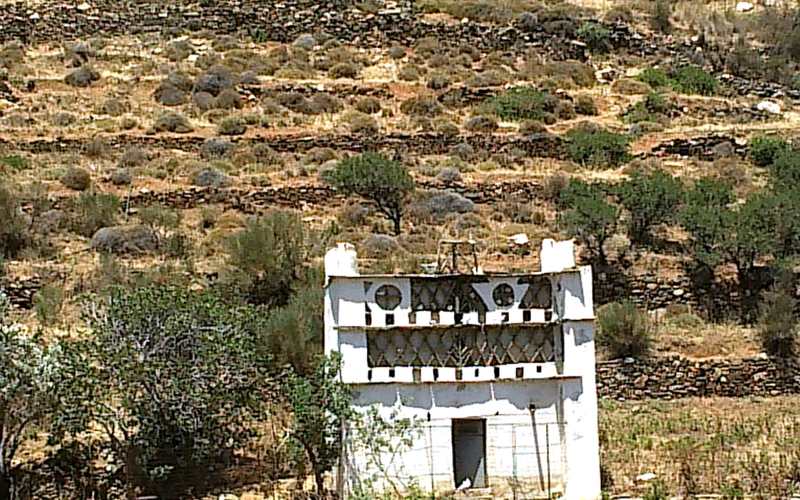
What makes the island stand out is its mix of culture and landscape. Tinos is famous in Greece as a major religious destination because of the Church of Panagia Evangelistria, but that’s only one layer. The island is also known for marble craftsmanship, traditional villages, dozens of ornate pigeon houses, strong food culture, and a dramatic interior shaped by wind and granite.
There’s also variety. We can spend a morning in a village square under plane trees, an afternoon swimming in clear water, and an evening eating incredibly well without feeling like we’re moving through a resort bubble. Tinos rewards curiosity more than checklist tourism.
For travelers booking with specialists like My Greece Tours, Tinos also works well as part of a broader Cyclades itinerary. It pairs especially well with busier islands because it offers a reset: less posing, more substance.
Where Tinos Is And How Easy It Is To Reach
Tinos sits in the northern Cyclades, between Andros and Mykonos. In practical terms, that means it’s easier to reach than many first-time visitors expect.
The most common route is by ferry from Rafina, the port closest to Athens International Airport. Fast ferries typically take around 2 to 4 hours depending on the vessel and route. Conventional ferries can be slower, but they’re often more affordable and steadier in rough weather. Tinos is also connected by ferry to Mykonos, making it an easy hop if we want to combine two very different island experiences.
There’s no airport on Tinos, which actually helps preserve its atmosphere. If we fly into Athens or Mykonos, we finish the trip by sea.
A small warning: the Cyclades can be windy, especially in summer. Ferries generally run reliably, but weather can occasionally cause delays or changes. If we have an international flight right after our island stay, it’s wise to build in buffer time.
Overall, reaching Tinos is straightforward. It feels pleasantly under-the-radar without being inconvenient.
The Best Time To Visit Tinos And How Many Days You Need
The best time to visit Tinos depends on what kind of trip we want. For most travelers, late May through early July and September are the sweet spots. The weather is warm, the sea is swimmable, and the island feels lively without peaking into full summer intensity.
July and August bring the hottest temperatures, more visitors, and stronger meltemi winds. That said, August also carries special energy because of the major religious celebrations around August 15, the Feast of the Dormition. For some visitors, that pilgrimage atmosphere is fascinating and moving. For others, it may feel crowded.
April and October can also be lovely if we prioritize walking, village-hopping, and quieter stays over guaranteed beach weather.
As for timing, we’d say 3 to 5 days is ideal. A long weekend lets us see Tinos Town, visit a few villages, and spend time at the beach. But the island reveals itself more fully over four or five days, especially if we want slow meals, scenic drives, and room for weather shifts.
If we only stay one night on a Cyclades hop, we’ll miss what makes Tinos special.
What To Expect In Tinos Town And Around The Sacred Shrine Of Panagia
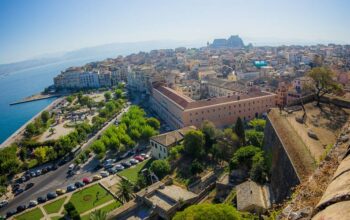
Tinos Town, also called Chora, is the island’s main port and first impression. It’s more functional than dreamy at first glance, but that’s part of its honesty. Ferries come and go, cafés fill early, and local life mixes with visitors rather than performing for them.
The centerpiece is the Church of Panagia Evangelistria, one of the most important pilgrimage sites in Greece. Many Greek Orthodox visitors come to honor the miraculous icon of the Virgin Mary, especially on major feast days. The broad avenue leading uphill from the port to the church is impossible to miss, and emotionally powerful, too. Some pilgrims make the journey on their knees as an act of devotion.
Even for non-religious travelers, the site matters because it shapes the identity of the island. The church complex includes museums and religious artifacts, and the atmosphere around it offers real insight into modern Greek faith and tradition.
Beyond the shrine, Tinos Town has narrow lanes, shops, bakeries, waterfront restaurants, and useful services. It’s a good base if we want convenience. Just don’t expect the prettiest Cycladic port in the Aegean. Tinos Town is more lived-in than cinematic.
The Villages That Make Tinos Special
If Tinos Town introduces the island, the villages are where Tinos wins us over completely. This is the heart of the experience: mountain settlements, marble details, old footpaths, and views that seem to open wider with every curve in the road.
Many of the island’s villages are beautifully maintained without feeling overly curated. We find craft traditions still alive, elderly residents chatting in the shade, and small cafés that haven’t been redesigned for Instagram. That grounded feeling is rare.
Driving between villages is part of the pleasure. Distances are not huge, but the roads twist through hills and terraces, so we’ll want to move slowly and allow time to stop. In Tinos, rushing is usually a mistake.
Beaches, Swimming Spots, And Outdoor Activities
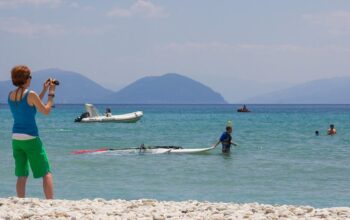
Tinos doesn’t market itself as aggressively as a beach island, but that can be misleading. There are many excellent beaches here, ranging from organized stretches to quiet coves.
Popular options include Kolymbithra, with its surf-friendly conditions and attractive bay setting: Agios Fokas, convenient from Tinos Town: and Agios Sostis, often favored for clearer, calmer swimming. On windier days, beach choice matters a lot, and locals usually know which side of the island is more sheltered.
The island is also great for active travelers. Hiking is one of the best things to do in Tinos thanks to old stone paths connecting villages, terraced hillsides, and wide sea views. There are routes for casual walkers and more serious trekkers. Windsurfing and surfing can be good in the right spots, particularly around Kolymbithra when conditions line up.
And then there’s simply being outdoors here: driving through granite landscapes, finding hidden chapels, and lingering at viewpoints. Tinos offers a more textured kind of island nature than the pure beach-resort version of the Cyclades.
Where To Stay And How To Get Around The Island
Where we stay in Tinos depends on the kind of trip we want. Tinos Town is the most practical base for first-time visitors. It gives us easy ferry access, lots of dining options, shops, and simple logistics. If we want to walk to dinner and avoid too much planning, it’s the safest choice.
For a more atmospheric stay, villages like Pyrgos, Kardiani, Isternia, or Dio Choria offer charm, views, and a quieter pace. These are better for travelers who don’t mind being less connected to the port and beaches.
As for getting around, renting a car is strongly recommended if we want to experience the island properly. Tinos is not huge, but village-hopping and beach access are much easier with our own vehicle. There is bus service, and it works for some routes, especially in season, but it won’t give us the same freedom.
If we’re planning a wider Greece trip, companies like My Greece Tours can help coordinate island logistics and curated itineraries so transfers, timing, and local experiences fit together smoothly.
Food, Local Flavors, And What Tinos Is Famous For
Tinos is one of the better food islands in the Cyclades, full stop. Its cuisine feels rooted rather than performative, and local products matter.
The island is known for cheeses, capers, artichokes from the Komi area, louza, honey, and excellent pastries. Depending on the season, we may also find dishes built around fresh herbs, legumes, and vegetables grown in a surprisingly fertile landscape by Cycladic standards.
Tinos is especially famous for its marble tradition. That’s not food, of course, but it’s central to the island’s identity. The village of Pyrgos, in particular, is associated with marble arts and with sculptor Yannoulis Chalepas. In other words, what Tinos is famous for goes beyond one attraction: religion, craftsmanship, villages, and gastronomy all overlap.
Tavernas here can be outstanding, especially in inland villages where meals feel slow and unfussy. We’d come hungry and make room for local meze, grilled meats, seasonal pies, and desserts. Tinos is not the island for trendy beach club lunches. It’s the island for memorable dinners that seem to keep appearing.
Is Tinos Right For You? Pros, Cons, And Who Will Love It Most
So, is Tinos a good island to visit? For many travelers, absolutely. But it depends on what we value.
Pros
- Authentic village culture and a more local feel than many famous Cycladic islands
- Strong food scene
- Meaningful religious and cultural heritage
- Great variety of landscapes, beaches, and viewpoints
- Easy ferry access from Athens and Mykonos
Cons
- Wind can affect beach days and ferry comfort
- Tinos Town is practical rather than stunning
- A car is close to essential for seeing the island well
- It’s not the right pick if we want nonstop nightlife or luxury-beach-club energy
Who will love it most
Tinos is ideal for couples, independent travelers, food lovers, returning Greece visitors, and anyone who wants beauty with more depth. It’s also a smart choice for travelers building a customized Cyclades trip and wanting one island that feels grounded.
If we want polished spectacle, there are easier choices. If we want a Greek island that keeps unfolding the longer we stay, Tinos is hard to beat.
Key Takeaways
- Tinos is a good island to visit for travelers seeking an authentic Cyclades experience beyond the typical tourist spots like Mykonos or Santorini.
- The island offers a unique blend of cultural heritage, including marble craftsmanship, religious pilgrimage traditions, and charming villages, providing depth beyond its beautiful beaches.
- Easily accessible by ferry from Athens and Mykonos, Tinos maintains a low-key and local atmosphere without the rush of crowded tourism.
- Ideal visiting times are late May to early July and September, with 3 to 5 days recommended to fully explore Tinos’ villages, beaches, and cultural sites.
- Renting a car is highly recommended to experience the island’s diverse landscape and hidden gems, as public transport is limited.
- Tinos is perfect for travelers who appreciate strong food culture, traditional settings, and a variety of outdoor activities without the nightlife or luxury resort scene.
Frequently Asked Questions About Visiting Tinos Island
Is Tinos a good island to visit for travelers seeking authentic Greek culture?
Yes, Tinos offers an authentic Greek experience with local villages, marble artisans, traditional tavernas, and a rhythm unshaped by heavy tourism. It’s ideal for visitors wanting beauty combined with genuine culture.
How can I reach Tinos island from Athens?
Tinos is reachable by ferry from Rafina port near Athens International Airport. Fast ferries take 2 to 4 hours, while conventional ferries may be slower but more affordable. There are also ferry connections from Mykonos.
When is the best time to visit Tinos?
The best time to visit Tinos is late May to early July and September, when the weather is warm, the sea is good for swimming, and the island is lively but not crowded. April and October are also pleasant for walking and quieter stays.
What are the main attractions and activities on Tinos?
Tinos is famous for its religious site, the Church of Panagia Evangelistria, marble craftsmanship, scenic villages, great food, many beaches like Kolymbithra, and outdoor activities including hiking and windsurfing.
Do I need a car to get around Tinos?
Renting a car is strongly recommended for exploring Tinos thoroughly. While there is some bus service, having a car offers freedom to visit villages, beaches, and viewpoints easily.
Is Tinos suitable for travelers looking for nightlife and luxury beach clubs?
No, Tinos is not known for nightlife or luxury beach clubs. It’s better suited for travelers seeking a low-key, authentic island experience with cultural depth and quality local food rather than polished spectacle.